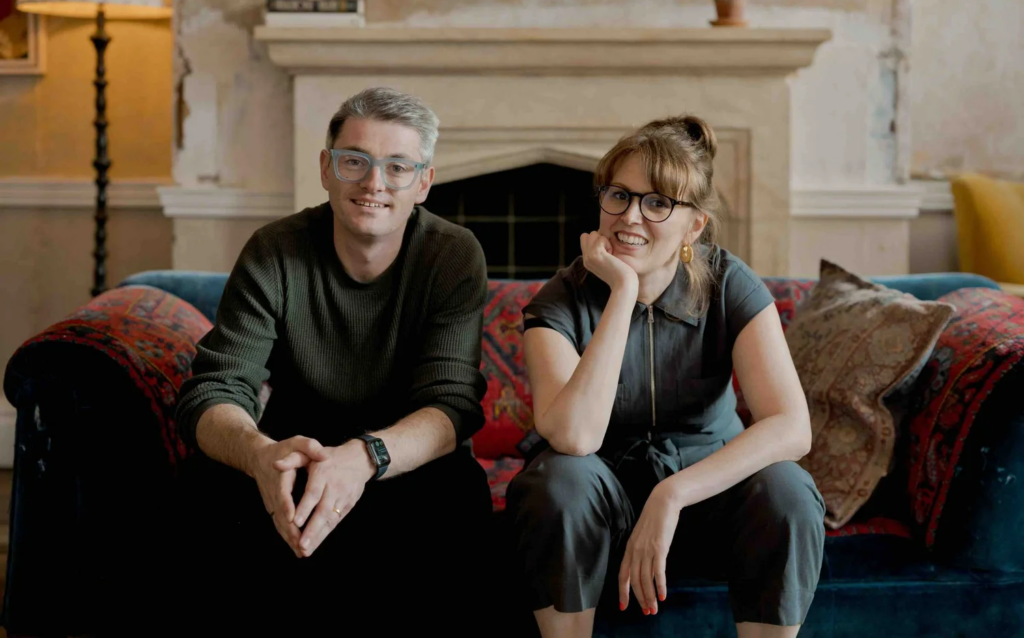
Why can someone spend hours completely absorbed in one task, yet struggle to start another they know is important? For Alex Campbell, co-founder of Gold Mind Academy, it’s the kind of question workplaces need to get much more curious about. Gold Mind trains ADHD coaches around the world, but its philosophy is surprisingly simple: help people understand themselves better. At the heart of its approach are three things, awareness, regulation and needs. Rather than treating ADHD as a checklist of behaviours to fix, Alex encourages people to look at what is actually happening underneath them. Instead of asking, “How do I change this behaviour?”, try asking, “What did I need in that situation?” It sounds like a small distinction, but it can completely change the conversation.
The same thinking has interesting implications for the workplace. Alex explains that ADHD brains can often be driven more by interest than importance. You can know something matters, know it needs to be done, and still find it incredibly difficult to get started. The answer isn’t necessarily more discipline. Sometimes it’s understanding why the task matters. Sometimes it’s working alongside someone else, adding urgency, changing the environment or finding a way to make repetitive work more interesting. For managers, that means resisting the easy conclusion that someone is lazy, disengaged or simply “not trying hard enough” and getting curious instead. What’s making this difficult? What would make it easier to start? What do you need to get this done?
There’s another side to the conversation too. When neurodivergent people better understand how their brains work and have the right support around them, Alex sees strengths come through in creativity, problem solving, intuition, pattern recognition and connection with others. Even the term attention deficit doesn’t quite capture his own experience. “I don’t have a deficit of attention. I have a lot of attention. My challenge is channelling it.” It’s a simple line that challenges some of the assumptions we still make about ADHD, particularly at work.
Today, Gold Mind has graduates around the world, including around 40 here in New Zealand, and the team is now turning its attention to leadership training, developing retreats for middle and senior leaders who are neurodivergent themselves or leading neurodivergent people. And perhaps there’s a lesson in Alex’s thinking that goes beyond ADHD. Good leadership isn’t always about getting people to work the way we expect them to. Sometimes it starts with being curious enough to understand how they work best.